Washington, D.C.
Every stage.
Every opening night.
The complete guide to theater, dance, performance art, and visual arts in the nation's capital. Curated descriptions, honest recommendations, one click to tickets.
Now Playing
25 shows
Sponsored
AT THE END OF THE WORLD
Opens Mar 27
If you're tired of theater that whispers about big ideas, this offers something rarer: young artists grappling with them directly. It's essential viewing for anyone interested in how teen theater companies tackle material with real philosophical weight rather than settling for coming-of-age comfort.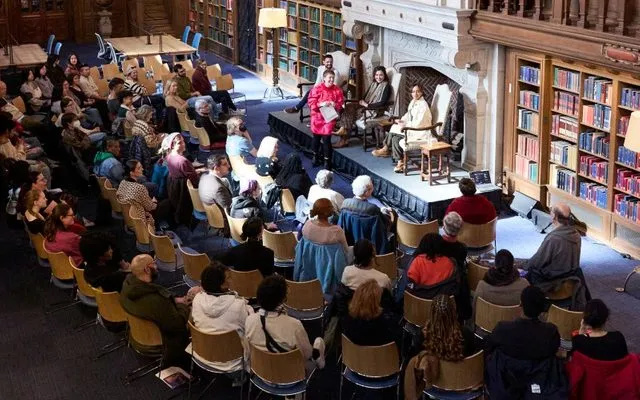
Community Workshop: Seven Ages of Music
This works beautifully for families with musically curious kids, but don't discount it if you're an adult who's curious about the intersection of language and music. Skip it if you prefer finished performances to process-based experiences; this is about discovery, not polish.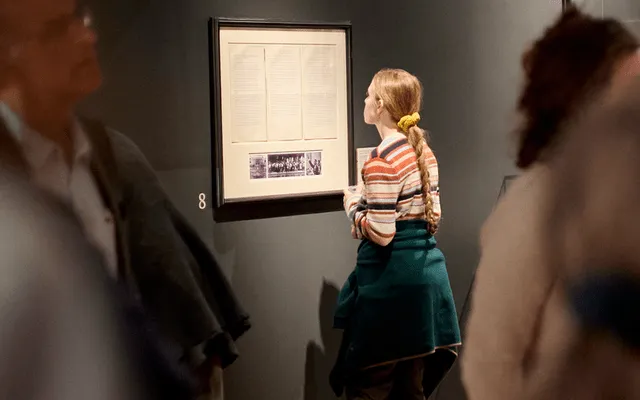
The Humanities Lab: As You Like It
This is for people who want to understand *why* a play matters, not just experience it passively. If you've ever left a Shakespeare production wishing you'd caught more layers, or if you're the type to linger in museum galleries reading every placard, this Capitol Hill intensive will satisfy that hunger. Skip it if you prefer entertainment divorced from intellectual engagement.
Director’s Talk: As You Like It with Dr. Farah Karim-Cooper
Ideal for Shakespeare readers and the production's audiences who want context beyond the text itself, or for anyone curious how institutional scholars think about relevance and interpretation. Skip this if you prefer experiencing theater without analytical framework—it's designed for the intellectually curious, not the casually curious.Advertiser Creative / Image
Pendry Washington D.C.
The Wharf's new luxury hotel. Book a pre-theater stay with complimentary champagne & waterfront views.
Special Theater Packages →

The 2026 Anthony Hecht Poetry Prize Reading
Essential for serious poetry readers and anyone curious about what contemporary emerging poets are exploring right now. If you value discovering writers before they're widely anthologized, or you follow Shane McCrae's work, this is intimate and direct access to the current literary conversation.
The 2026 O.B. Hardison Poetry Series Finale Reading
This works best for readers already engaged with contemporary poetry who want to understand a living poet's intellectual genealogy—not an entry point for newcomers to the form. If you've ever wondered what poets read to become poets, or you're curious about the specific artists who influenced someone whose work you admire, this intimate gathering offers genuine insight.
Gallery Talk: Mandy Cano Villalobos
Essential for anyone interested in how contemporary artists engage with historical archives and environmental justice—particularly those who find traditional museum lectures too passive. Skip this if you want a polished presentation; this is thinking-in-real-time, and that's precisely the point.
Folger Salon with Debbie Finkelstein, Yunah Kae, and Austin Raetz
This works best for people genuinely curious about how scholarship happens, particularly those interested in Renaissance literature, history, or material culture. If you find archival work fascinating or want to understand what living scholars actually spend their time thinking about, come prepared to ask questions. Skip this if you prefer fully formed arguments and formal presentations.
Our Shakespeare Exhibition
Essential for scholars and serious Shakespeare students, but equally rewarding for people skeptical of Shakespeare's relevance who want to understand why his work remains contested cultural territory. This isn't a traditional biography—it's curatorial thinking about canon, legacy, and power.
Out of the Vault
Ideal for Shakespeare enthusiasts and book collectors who want to move beyond passive reading, and for theater patrons curious about how productions are researched and staged. Skip this if you're looking for a polished, narrative-driven exhibition—the appeal here is in the intellectual depth and the conversations between objects and ideas.
The 2026 Eudora Welty Lecture: Kate DiCamillo
Essential for readers who cherish DiCamillo's work and anyone curious about the living lineage of American letters—this isn't a passive lecture but a conversation between two writers separated by time. Skip this if you're looking for a casual evening; come if you want to understand how storytellers think about their work and their influences.
Family Workshop: My Shakespearean Monologue
This works beautifully for families with kids ages 8-14 who are curious about language but might find traditional Shakespeare daunting. Skip it if your family needs passive entertainment, but if you want your kids to actively play with words and discover that Shakespeare's vocabulary can express *their* voice, this delivers exactly that.Sondheim Award Gala
Sondheim Award Gala
If you're someone who loves musical theater but find yourself frustrated by conventional pop-song structures, this is where you belong. This gala rewards listeners who appreciate Sondheim's fractured narratives, unexpected rhyme schemes, and emotional complexity. Skip it if you're seeking a polished concert experience; come for the raw artistry of performers grappling with one of theater's most demanding catalogs.
Family Workshop: Celebrations - Shakespearean Style
This works best for families with children ages 6-12 who aren't intimidated by Shakespeare and parents who want their kids to experience literary classics as living, playful things. Skip it if your family needs highly structured, performance-focused activities; this is exploratory and messy in the best way.
Family Workshop: An Ode to the Gardens
Ideal for families with children old enough to engage with Shakespeare excerpts (roughly 8+) and parents who want their kids to experience poetry as something they *make*, not just consume. Skip this if your family prefers passive performances, but if you want a morning that genuinely teaches literary thinking while getting outside, this hits differently than a typical kids' workshop.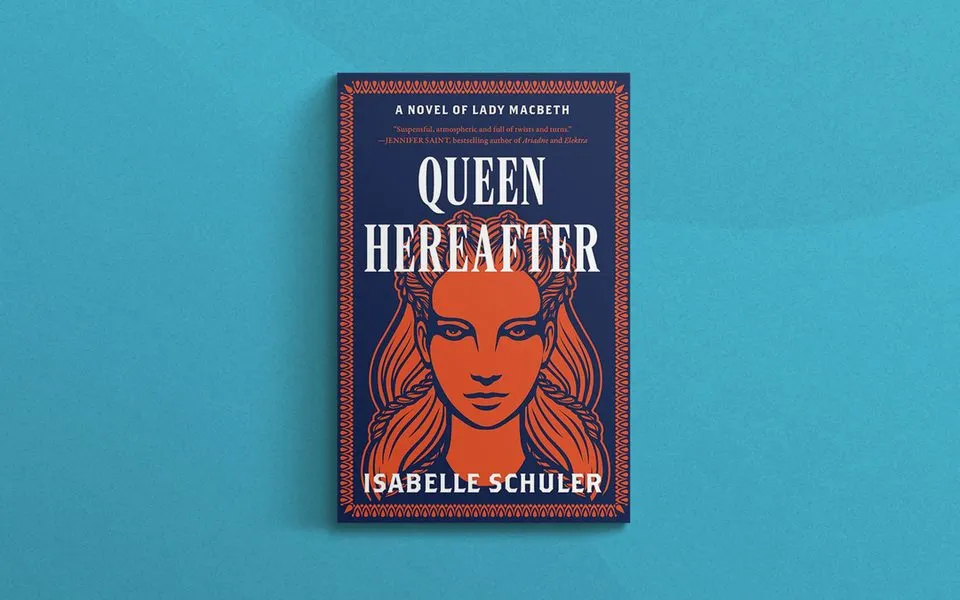
Folger Book Club: 'Queen Hereafter' by Isabelle Schuler
This is ideal for readers interested in Shakespearean reinterpretations who want historical grounding over fantasy wish-fulfillment, and for anyone who enjoys book club conversations that dig into women's agency in pre-modern contexts. Skip it if you're looking for a straightforward escape—this demands engagement with moral ambiguity.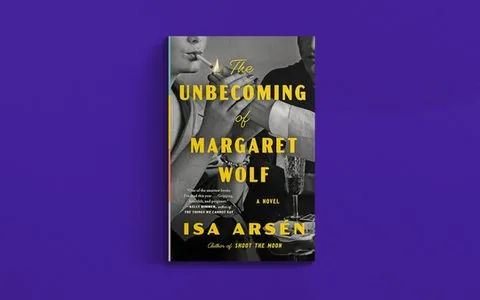
Folger Book Club: 'The Unbecoming of Margaret Wolf' by Isa Arsén
If you're drawn to metatheatrical examinations of artistic life—the kind that don't sentimentalize the theater world—this is essential. Skip it if you're looking for a straightforward relationship drama; Arsén is more interested in how ambition and performance corrode intimacy than in conventional emotional beats.
Shakespeare's Birthday Celebration
Ideal for families with children old enough to sustain attention through demonstrations (roughly ages 6+), but equally valuable for adults who want a different angle on Shakespeare—one grounded in historical craft rather than canonical interpretation. Theater-school students and educators will find the printing and combat demos particularly useful reference material. Skip this if you're seeking polished performances; come for tactile, museum-quality engagement.
Tell Out My Soul: What’s The Story and Who’s Telling It?
Theater makers, directors, and actors who want to understand how creative vision gets built over time—this isn't a celebrity memoir, but a working artist's honest reckoning. Also essential for anyone interested in how British theater has evolved to include more diverse storytelling.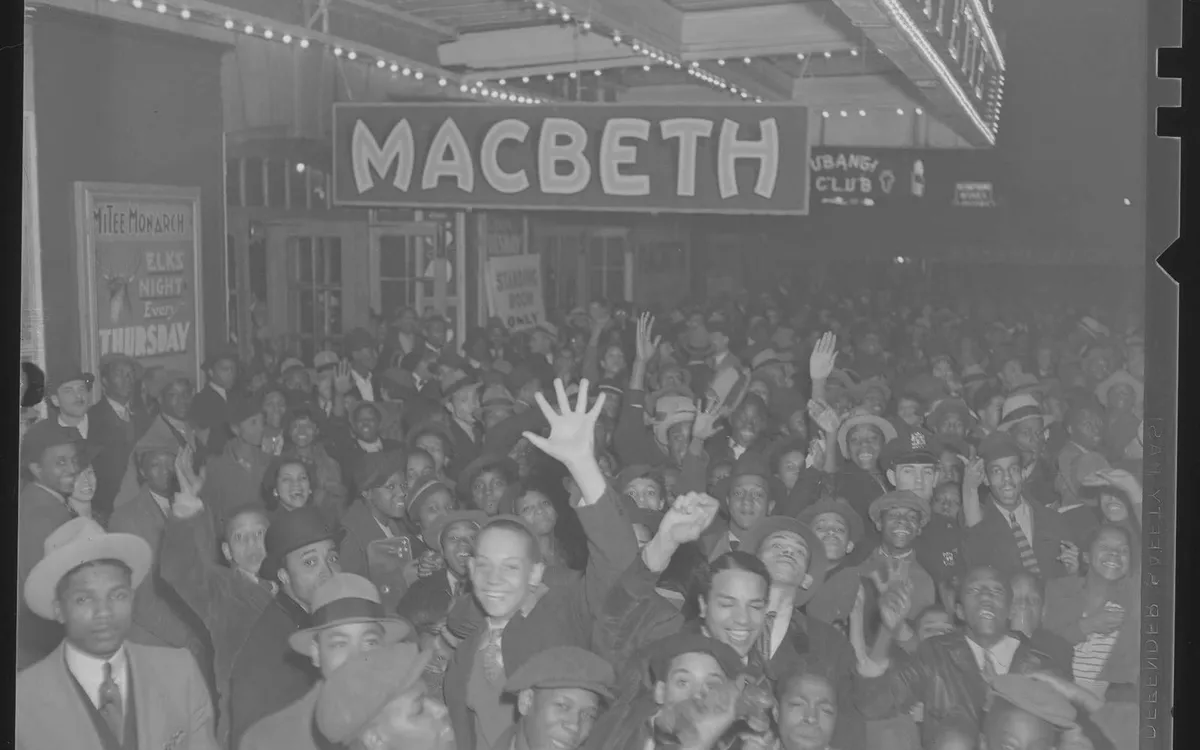
Staged Reading: Macbeth
Seek this out if you're drawn to Shakespeare performed with intellectual rigor rather than pageantry, or if you're curious about how Andoh's directorial sensibility shapes her approach to the text. Skip it if you need elaborate staging and spectacle—the power here is in the words and the thinking behind them.
SALLY & TOM
If you appreciate dialogue-driven comedy that doesn't shy away from genuine awkwardness and emotional weight, this will resonate. Skip it if you're looking for a feel-good night out; this is for people who find the messiness of relationships more interesting than their resolution.
Shakespeare's Globe Richard II
Essential viewing for anyone tired of "colorblind" Shakespeare productions, or those curious about how casting choices can fundamentally reshape a play's political resonance. If you've never considered what Richard II might mean through a woman-of-color perspective, this production will reorient your entire relationship to the play.
As You Like It: Finding Joy, Freedom, and Voice
This is essential for high school and middle school English teachers who want to deepen their own relationship with Shakespeare before bringing it to students. If you're a teacher who's exhausted by the standard lecture-and-worksheet approach and hungry for fresh ways to unlock joy in literature, this gives you both the experience and the strategies to take back to your classroom.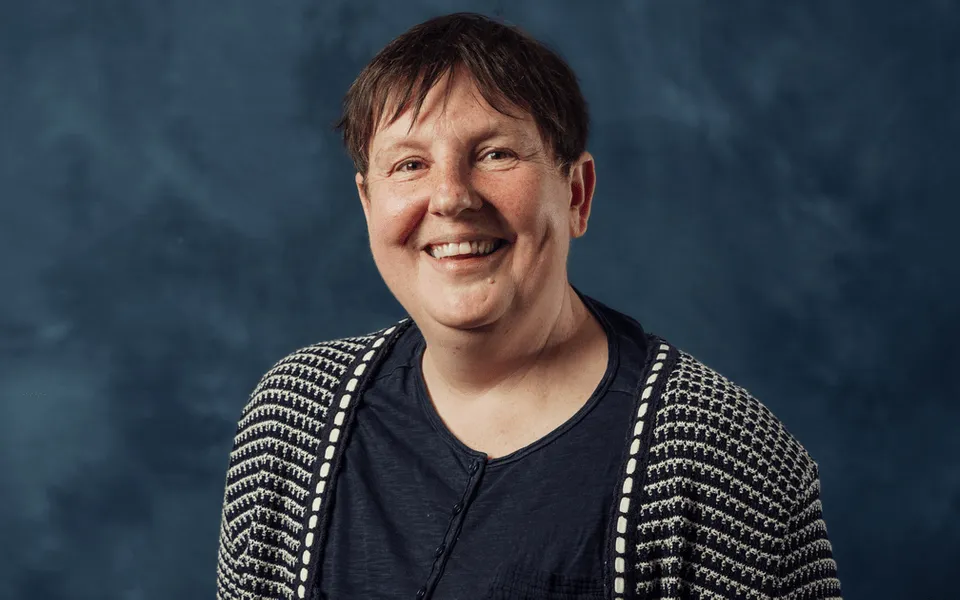
Shakespeare's Birthday Lecture with Dr. Emma Smith
If you're someone who actually reads Shakespeare or catches productions around town and finds yourself wondering *why* we keep interpreting these plays so differently, this is essential. Skip it if you're looking for entertainment rather than intellectual engagement—Smith assumes an audience comfortable with textual analysis and literary argument.